


SEO-Fueled Growth: 1,412% Surge in Traffic and 4,298% Rise in Organic Sales for Sustainable Fashion Brand.
+4,298%
Organic Revenue
+877%
Organic Sessions
+1,412%
OrganicTraffic
+25%
Domain Authority
Muffynn is a purpose driven fashion brand created by three brothers who wanted to make timeless, well fitting clothing both accessible and sustainable. Inspired by the simplicity and versatility of a muffynn, their vision was to challenge the cycle of fast fashion by offering long lasting, quality pieces.
When I began working with Muffynn as their SEO consultant in March 2024, the brand was heavily dependent on paid marketing. Their organic presence was almost non existent, with the website struggling to attract visitors, rank for relevant keywords, or generate meaningful organic revenue. Content was limited, technical issues affected performance, and overall visibility was low.
The challenge was clear: build a strong and sustainable SEO foundation from the ground up. The goal was not just to drive traffic but to attract the right audience, improve search rankings, and ultimately convert that visibility into consistent sales.

The Challenge
Muffynn is a purpose driven fashion brand that was finding it difficult to grow through organic channels. Although the brand had a strong vision and high quality products, it was held back by several SEO and performance challenges.
No Organic Revenue
Low Organic Traffic
Thin & Poorly Writtern Content
No Proper Metrics Tracking
Poor Search Visibility
The challenge was to create a scalable SEO foundation that would enhance visibility, connect with the right audience, and convert traffic into measurable results while reducing dependence on paid advertising.
My Approach
To begin, I focused on understanding the brand inside out, including its values, target audience, and ecommerce framework. I then carried out a comprehensive performance review through GA4 and Search Console to uncover the main roadblocks.
Here’s what I found:
Blog pages had high impressions but low CTR (click-through rate).
Product pages had no to low impressions and weren’t ranking well in SERPs, resulting in minimal organic visibility.
Mobile page speed was slow, affecting usability and SEO performance
Revenue tracking in GA4 was inaccurate and didn’t match Shopify sales data.
Blog and product content was thin, generic, and missed user intent.
Crawl issues, broken redirects, and missing alt texts hurt crawlability and indexing.
I conducted a full SEO audit with tools like Screaming Frog, SEMrush, Ahrefs, and Ubersuggest. The audit revealed gaps such as missing meta tags, incorrect robots directives, thin content, technical issues like redirect chains and slow page speeds, along with spammy backlinks that were affecting domain authority.
Using these insights, I developed a phased SEO strategy. The initial focus was on fixing the fundamentals, followed by scaling content, building high-quality backlinks, and improving user experience to support long-term growth.


SEO Strategy
After analyzing Muffynn’s website data and identifying core issues, I created a custom SEO plan focused on improving both traffic and conversions.
Here’s how I approached it:
1. Technical & On-Page Fixes
In the first two months, I focused on fixing the basics like updating meta tags, improving header structure, and optimizing key product and blog pages based on what we found in GA4 and Search Console. I also:
-
Fixed slow page speed and mobile usability issues.
-
Resolved redirect loops and Core Web Vitals errors.
-
Set up proper revenue tracking in GA4 using event tagging and data layers so we could finally measure conversions accurately (although some Shopify return/refund data still wasn’t captured).


3. Off-Page SEO
-
We cleaned up spammy backlinks using Google’s Disavow tool.
-
Identified backlink opportunities by analyzing competitors.
-
Reached out to relevant fashion bloggers and influencers for product reviews and backlinks.


2. Content Strategy
Since content quality was a major issue, we tackled this next.
Product Pages:
I researched high intent, low competition keywords and interviewed one of Muffynn’s founders to uncover product insights. This helped us write detailed descriptions that answered user questions and highlighted what made the clothing unique boosting both SEO and shopper engagement
Blog Pages:
We rewrote top-performing blogs to match search intent, not just keywords. Then, based on performance data, we optimized further adding FAQ sections, internal links, better meta tags, and structured content formats like listicles and comparison posts.
New Content Creation:
We built a pipeline of trending and evergreen content using insights from Google Trends, SEMrush, BuzzSumo, and competitor analysis. Each piece was optimized for search and user value with strong page structure, meta tags, and schema markup.

4. Building Trust with Reviews
Knowing how important social proof is in e-commerce, we encouraged customers to share honest reviews and upload real product images. This helped build trust and increase conversion rates.
5. Ongoing Tracking & Improvements
I set up dashboards in GA4 and Microsoft Clarity to track key metrics like engagement and scroll depth. I also made small, regular updates like tweaking meta tags, shifting content layout, and adjusting schema to keep performance strong and aligned with user behavior.
From Paid Dependence to Organic Growth: Muffynn’s Year-Long SEO Transformation

Results
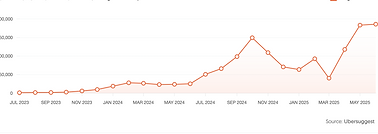
Over the course of a year, Muffynn experienced a remarkable turnaround in their organic performance:
Organic Traffic grew by +1,412%
Organic Revenue increased by +4,298%
Organic Keyword Rankings expanded by +2,905%


Search Impressions jumped by +26,800%
Search Clicks rose by +161%
Backlinks increased by +133%
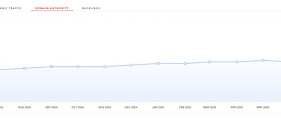
Domain Authority improved by +25%
Page Sessions grew by +877%
Bounce Rate dropped by -32%